
Influenza, commonly known as the flu, may seem like a routine seasonal illness, but it can cause serious complications in some people. Every year, millions of people become sick with influenza, and some require hospitalization because of complications such as pneumonia.
One of the most effective ways to reduce your risk of influenza and its potentially serious complications is annual flu vaccination. But many people still have questions:
- Do I really need a flu shot every year?
- What are the most common flu shot side effects?
- Can the flu vaccine actually give you the flu?
- When is the best time to get a flu shot?
- Who should be especially careful before vaccination?
- Is the flu vaccine safe during pregnancy?
- What should you avoid after getting vaccinated?
This guide explains the benefits, possible side effects, risks, timing, and precautions associated with the seasonal influenza vaccine.
Quick Facts About the Flu Vaccine
- For the 2026–2027 influenza season, flu vaccines are available for people aged 6 months and older.
- The Centers for Disease Control and Prevention (CDC) recommends annual influenza vaccination for most people aged 6 months and older unless they have a specific contraindication.
- For most people who need one dose during the season, September and October are generally considered good times to receive the vaccine.
- Vaccination may still be beneficial later in the season while influenza viruses continue circulating.
What Is the Flu Shot?

The flu shot is a seasonal vaccine designed to help your immune system recognize and fight influenza viruses.
Influenza viruses constantly change. For this reason, flu vaccine formulations are reviewed and updated regularly to better match the influenza viruses expected to circulate during the upcoming season. This is also one reason getting vaccinated only once in your lifetime isn't enough. Annual vaccination helps provide updated protection for each influenza season.
For the 2026–2027 U.S. influenza season, all three virus components of seasonal flu vaccines were updated compared with the previous season.
7 Important Reasons to Get a Flu Shot
1. It Can Reduce Your Risk of Getting Influenza
The most obvious benefit of vaccination is reducing your chance of becoming sick with influenza.
No vaccine can guarantee that you will never get the flu. Vaccine effectiveness varies from season to season depending on factors such as your age, health, and how well the vaccine matches circulating influenza viruses. However, flu vaccination prevents millions of influenza illnesses and flu-related medical visits during many seasons.
2. Vaccination May Make the Flu Less Severe
Getting vaccinated isn't only about preventing infection. Even if a vaccinated person still develops influenza, vaccination has been associated with a lower risk of severe illness.
This distinction is important. The goal of vaccination includes reducing serious outcomes such as severe disease and hospitalization—not simply preventing every infection.
3. It Can Help Prevent Serious Flu Complications
Influenza can sometimes cause complications such as:
- Pneumonia
- Dehydration
- Worsening of chronic medical conditions
- Secondary infections
- Hospitalization
Certain people are more vulnerable to serious complications, making vaccination particularly important for higher-risk populations.
Who Is at Higher Risk From Influenza?

Although almost anyone can develop complications from influenza, certain groups deserve particular attention.
Adults Age 65 and Older
Immune responses generally become weaker with age, and older adults have a greater risk of serious influenza complications.
Young Children
Young children, particularly those under age 5, may be more vulnerable to flu complications.
Pregnant Women
Pregnancy causes changes in the immune system, heart, and lungs that can increase the risk of severe influenza illness. Flu vaccination during pregnancy can also provide protection to the baby during the first months of life.
People With Chronic Medical Conditions
People with certain chronic conditions—including asthma, diabetes, heart disease, and other health problems—may have an increased risk of influenza complications. People with underlying medical conditions should discuss appropriate vaccination with their healthcare provider when necessary.
Why Do You Need a Flu Shot Every Year?
A common question is: "I had a flu shot last year. Why do I need another one?" There are two major reasons.
Influenza Viruses Change
Influenza viruses evolve over time. Because circulating viruses can change from one season to another, vaccine composition may also need to change. For example, all three virus components of the 2026–2027 U.S. seasonal influenza vaccines were updated compared with those used during the 2025–2026 season.
Immune Protection Can Decline Over Time
Protection produced by vaccination can decrease over time. Annual vaccination therefore helps maintain protection throughout successive influenza seasons.
When Is the Best Time to Get a Flu Shot?
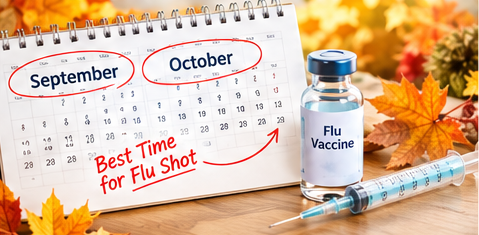
Timing matters. For most people who require only one influenza vaccine dose during the season, vaccination is ideally offered during September or October. Ideally, most people should be vaccinated by the end of October.
However, missing October does NOT necessarily mean that it is too late. Vaccination can continue throughout influenza season while influenza viruses are circulating and appropriate vaccine remains available.
Common Flu Shot Side Effects

Most flu vaccine side effects are mild and temporary. Common reactions can include:
1. Injection-Site Pain
The most common complaint is soreness around the injection site. You may experience:
- Pain
- Tenderness
- Mild redness
- Mild swelling
These symptoms generally improve without treatment.
2. Headache
Some people experience a mild headache after vaccination.
3. Fatigue
Temporary tiredness can occur while your immune system responds to the vaccine.
4. Muscle Aches
Mild muscle or body aches may develop after vaccination. These reactions are usually temporary and are not the same thing as influenza infection.
Can the Flu Shot Give You the Flu?
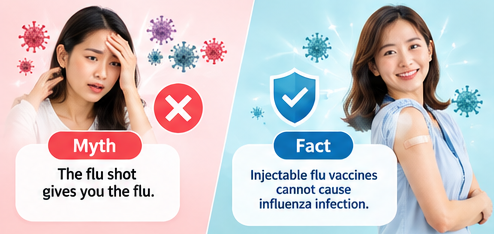
This is one of the most persistent flu vaccine myths. The standard injectable flu vaccine cannot cause influenza infection.
Some people develop mild symptoms such as fatigue, headache, muscle aches, or soreness after vaccination. These symptoms represent immune responses or vaccine side effects rather than influenza caused by the shot.
It is also possible to become infected with influenza shortly before vaccination or before sufficient immune protection has developed afterward.
Serious Flu Vaccine Side Effects: How Common Are They?
Serious reactions to influenza vaccination are uncommon. However, as with any medicine or vaccine, severe allergic reactions can occur.
Severe Allergic Reaction
Seek immediate medical attention if symptoms of a serious allergic reaction develop after vaccination. Possible warning signs can include:
- Difficulty breathing
- Swelling of the face or throat
- Widespread hives
- Severe weakness
- Dizziness or collapse
Severe allergic reactions such as anaphylaxis following vaccination are rare.
What About Guillain-Barré Syndrome?
Guillain-Barré syndrome, commonly called GBS, is a rare neurological disorder in which the immune system damages peripheral nerves. A small potential association between some influenza vaccines and GBS has been investigated.
Importantly, research suggests that the risk of developing GBS following influenza illness itself is greater than the potential risk following influenza vaccination.
Anyone who previously developed GBS within six weeks after receiving an influenza vaccine should discuss future vaccination with a healthcare professional.
Flu Shot Precautions: What Should You Tell Your Doctor?
Before receiving an influenza vaccine, tell your healthcare provider if you:
- Previously had a severe allergic reaction to an influenza vaccine
- Have a known severe allergy to a vaccine ingredient
- Previously developed Guillain-Barré syndrome within six weeks of a flu vaccine
- Currently have a moderate or severe acute illness
- Have questions about which vaccine is appropriate for your age or medical condition
Having a mild illness does not always mean vaccination must be delayed, but moderate or severe illness may be a reason to postpone vaccination until you recover.
Can People With Egg Allergies Get a Flu Shot?
Yes. Current CDC guidance states that people with egg allergies can receive any influenza vaccine—egg-based or non-egg-based—that is otherwise appropriate for their age and health status. Additional special safety measures are no longer recommended solely because someone has an egg allergy.
However, vaccines should be administered in settings where healthcare professionals can recognize and treat severe allergic reactions if they occur. People who previously had a severe reaction to an influenza vaccine itself or another vaccine component should discuss their vaccination options with a healthcare provider.
Is the Flu Shot Safe During Pregnancy?

Influenza vaccination is especially important during pregnancy because pregnant women can have a higher risk of serious complications from influenza.
Pregnant women should receive an injectable flu vaccine appropriate for pregnancy rather than a live attenuated nasal spray vaccine. Vaccination during pregnancy may also help protect newborn babies during the first months of life, before they are old enough to receive their own influenza vaccine.
Pregnant women who have questions about vaccination timing should speak with their obstetrician or healthcare provider.
What Should You Do After Getting a Flu Shot?

Most people can return to their normal daily activities after vaccination. A few simple precautions may make you more comfortable.
Drink Enough Fluids
Staying hydrated can help if you experience fatigue or mild headache.
Don't Overwork a Sore Arm
Normal arm movement is usually fine, but extremely strenuous upper-body exercise may feel uncomfortable if your injection site is sore.
Monitor Your Symptoms
Mild soreness, fatigue, headache, or muscle aches can occur. Seek medical care promptly if you experience symptoms suggesting a severe allergic reaction or another serious medical problem.
Can You Exercise After a Flu Shot?
Most healthy people can continue normal activities after receiving a flu vaccine. Light or moderate exercise is generally reasonable if you feel well.
However, if you develop significant fatigue, fever, dizziness, or body aches, consider resting until you feel better. Your body doesn't need an intense workout immediately after vaccination.
Can You Drink Alcohol After a Flu Shot?
There is generally no universal requirement to completely avoid alcohol simply because you received an influenza vaccine. However, heavy drinking can worsen dehydration, headache, fatigue, and sleep quality.
If you already feel unwell after vaccination, avoiding alcohol and focusing on hydration and rest may be the more comfortable option.
Flu Shot vs. Flu: Understanding the Difference
Influenza is not simply a "bad cold." Both illnesses can cause respiratory symptoms, but influenza often begins more suddenly and may cause:
- Fever
- Chills
- Muscle aches
- Severe fatigue
- Headache
- Cough
- Sore throat
Some people—particularly older adults—may develop influenza without a high fever. Serious complications can occur even in previously healthy individuals.
Flu Vaccine Myths and Facts
Myth: "Healthy people don't need a flu shot."
Fact: Healthy people can still get influenza and spread it to vulnerable family members, coworkers, and others.
Myth: "The flu vaccine gives you the flu."
Fact: Injectable influenza vaccines do not cause influenza infection.
Myth: "I got vaccinated last year, so I'm still protected."
Fact: Influenza viruses change, vaccine formulations may be updated, and immune protection can decline over time.
Myth: "If I miss October, there's no point getting vaccinated."
Fact: Vaccination can still be worthwhile later in the season while influenza viruses continue circulating.
Frequently Asked Questions About the Flu Shot
How long does it take for the flu vaccine to work?
Your immune system needs time to develop protection following vaccination. This is one reason health authorities recommend vaccination before influenza activity becomes widespread.
How long do flu shot side effects last?
Common side effects are generally mild and temporary. If symptoms are severe, unusual, or persistent, contact a healthcare professional.
Should I get a flu shot if I already had the flu this year?
Possibly. Multiple influenza viruses may circulate during a single season. Having one influenza infection doesn't necessarily provide protection against all other circulating strains. Discuss your individual situation with your healthcare provider.
Can children get flu vaccines?
Yes. Seasonal influenza vaccination is recommended for most children age 6 months and older. Some young children may require two doses depending on their previous vaccination history, so parents should ask their pediatrician about the appropriate schedule.
Can older adults get a stronger flu vaccine?
Certain influenza vaccines are specifically intended for adults age 65 and older. Healthcare providers can recommend the most appropriate available vaccine based on age, medical history, and local availability.
Is the flu vaccine 100% effective?
No vaccine is 100% effective. Effectiveness varies depending on the circulating influenza viruses, vaccine match, age, immune response, and other factors. Even when vaccination does not completely prevent infection, it may reduce the severity of illness.
Who Should Talk to a Healthcare Provider Before Getting Vaccinated?
You should seek individualized medical advice before vaccination if you have:
- A history of severe reaction to a previous flu vaccine
- A severe allergy to a vaccine component
- A history of Guillain-Barré syndrome after influenza vaccination
- A current moderate or severe illness
- Questions about vaccination because of pregnancy or a complex medical condition
A healthcare professional can determine which influenza vaccine is most appropriate for you.
The Bottom Line
Seasonal influenza should not automatically be dismissed as a minor illness. For most people age 6 months and older, annual influenza vaccination remains an important preventive health measure.
The main benefits include reducing the likelihood of influenza illness and helping reduce the risk of severe disease, hospitalization, and other serious outcomes.
Most flu shot side effects—such as injection-site soreness, headache, fatigue, and muscle aches—are mild and temporary. Serious reactions are rare, but people with certain medical histories should discuss vaccination with a healthcare professional.
For most people, September and October are good times to receive the annual flu vaccine, but vaccination may still be useful later in the influenza season.
Protecting yourself can also help protect the people around you—particularly infants, older adults, pregnant women, and people at higher risk of influenza complications.
Sources
- CDC: 2026–2027 Flu Season
- CDC: Seasonal Flu Vaccine Basics
- CDC: Flu Vaccines and People with Egg Allergies